From the Archives: The Role of Drones in Aerial Surveillance with Matt Rowland of FWPD
August 11, 2026
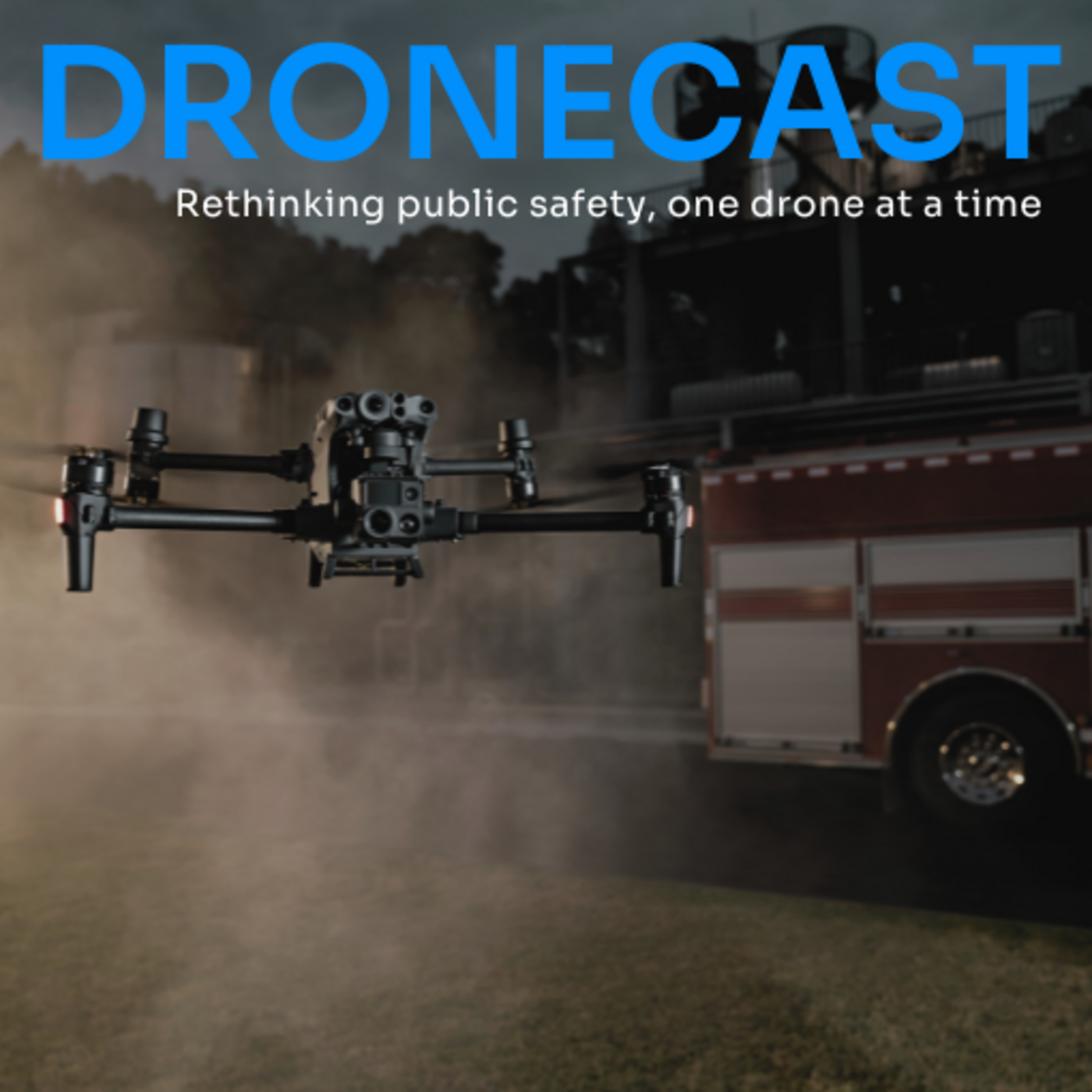
In this episode of DroneCast: Rethinking Public Safety, One Drone at a Time, host John McLeod sits down with Matt Rowland, a retired 21-year veteran of the Fort Wayne Police Department and Administrator of its Air Support Unit. They discuss the tactical evolution of public safety drone operations—from physical HDMI cords in 2017 to citywide public safety drone deployments, AI integrations, and proactive community engagement.
Original Recording Date: March 5, 2024
In this episode of DroneCast: Rethinking Public Safety, One Drone at a Time, host John McLeod welcomes Matt Rowland, a 21-year retired veteran of the Fort Wayne Police Department (FWPD) and founder/administrator of the department's Air Support Unit.
Matt takes listeners back to 2017 when FWPD’s drone program began with a blank sheet of paper, four pilots, and basic barricade overwatch for SWAT operations. He details the rapid technological progression over the last nine years—from stringing physical HDMI cords out of command buses to utilizing 5G-connected tablets and real-time video management via DroneSense.
The conversation dives deep into key operational milestones, including conducting multi-drone overwatch during 2020 civil unrest, securing FAA waivers to fly presidential overwatch during President Trump’s 2018 visit, and establishing Indiana’s premier public safety drone program. Matt breaks down the practical realities of public safety drone budgeting, managing personnel resources, navigating foreign hardware restrictions, and leveraging autonomous docks and AI to amplify officer efficiency. Finally, Matt highlights why radical transparency through dozens of annual public demos and media access is essential for securing community trust.
Why This Episode Still Matters Today:
As public safety agencies across the country face rising call volumes, staffing shortages, and tight municipal budgets, FWPD’s journey offers a proven roadmap for technology adoption. Matt Rowland demonstrates how transitioning from basic tactical overwatch to an integrated DFR model can clear 15% to 20% of routine calls for service without dispatching patrol officers. His frontline lessons on navigating hardware bans, evaluating future AI tools, and building deep community trust provide an essential playbook for any agency looking to modernize its public safety aviation program.
Episode Highlights:
- [18:45] If you’re thinking about starting a public safety drone program, Matt recommends getting out there and visiting existing ones. Everyone approaches it from a different angle, and there are now roughly thirty programs across the USA, each doing it slightly differently. Through conducting field research, you can see what approach would work best for your team and your needs. The same goes for budgeting; it will depend on what you do and don’t need to budget for based on state and city regulations and how your department is structured.
- [30:42] Since FWPD’s ASU launched in 2017, they have had over 13,000 flights. One that sticks out is when President Trump went to the area in 2018 for midterm elections, and they were one of the first local municipality police drone programs to fly overwatch for a President. This involved being the first to find out if there would be issues with drones due to the technology that cuts out communication devices around Presidential limousiness. It turned out that there were, and they would lose communication with the drones, but they were able to resolve this swiftly.
- [39:46] Having built the ASU from the ground up, Matt learned early on that pushing forward is the only way to make progress with such programs. This meant not being afraid of being told no. Sometimes, you will try to do something the program is unequipped for or scaled for, and being told to pull back can do wonders in the long run. On the other hand, he regrets the purchase of an all-weather outdoor drone. They kept trying to push the envelope and invested in this, but it didn’t work out, costing the team.
Episode Resources:
Dronecast: Rethinking Public Safety, One Drone at a Time Podcast is handcrafted by our friends over at: fame.so
Previous Guests include: Matt Rowland, Jason Burnside
Check out our 3 most downloaded episodes:
Previous Guests include: Matt Rowland, Jason Burnside
Check out our 3 most downloaded episodes: