Building the Future - CSU Drone Center's Vision and Innovation
January 13, 2026
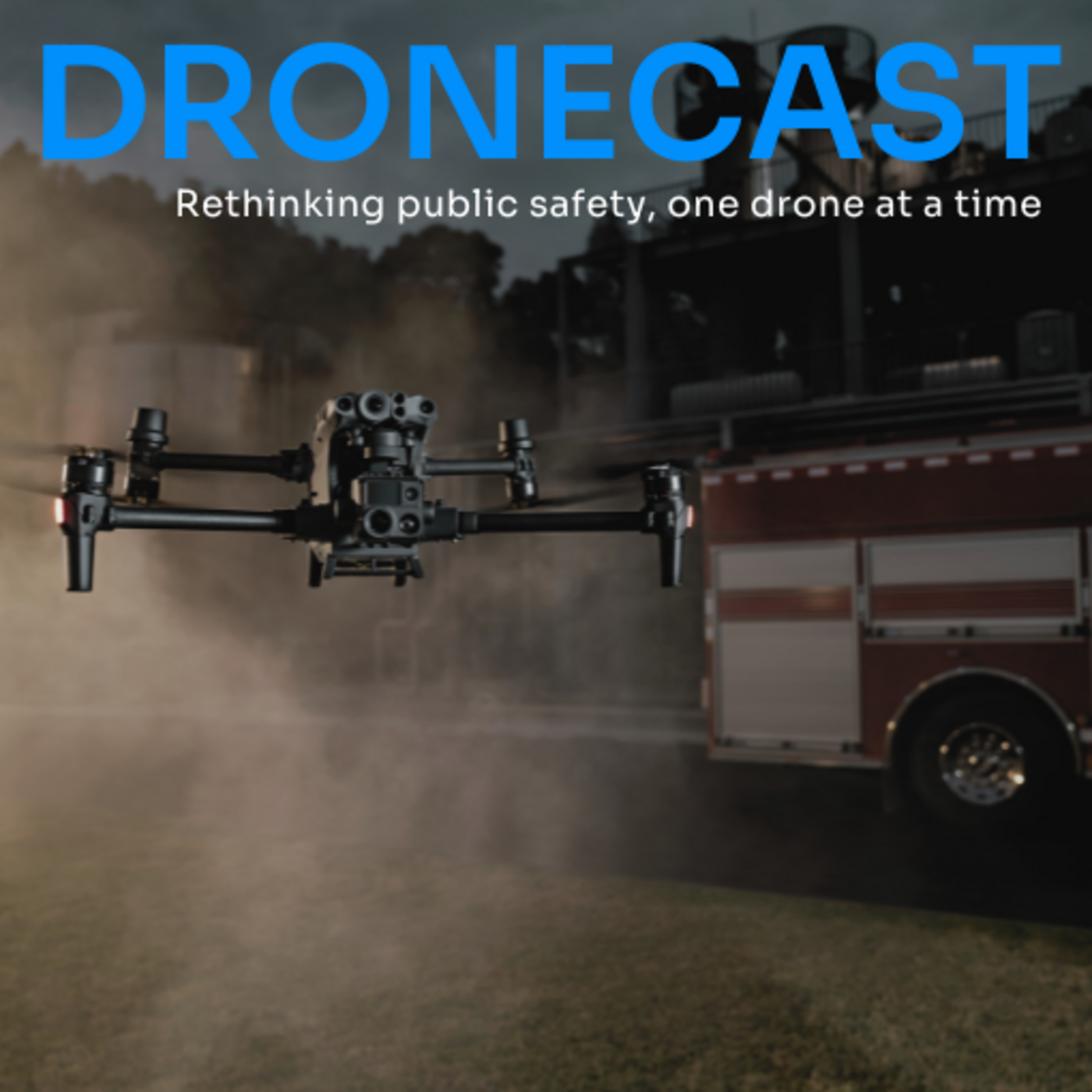
In Part 2 of this DroneCast conversation, we continue our discussion with Christopher Robertson, diving deeper into the realities of building and sustaining public safety drone programs. From chasing grant funding and operating cutting-edge aircraft like the Dragonfish, to addressing public perception, regulatory hurdles, and the rise of Drones as First Responders (DFR), Chris offers a candid, behind-the-scenes look at what it really takes to move UAS programs forward. This episode explores not just technology—but trust, funding, leadership, and the future of drone integration in public safety.
In Part 2 of DroneCast: Rethinking Public Safety, One Drone at a Time, we continue our conversation with Christopher Robertson, Director of the CSU Drone Center, focusing on the real-world challenges of sustaining and scaling public safety drone programs. The discussion goes beyond technology, offering a candid look at funding, leadership, and long-term program development.
Chris breaks down how modern UAS programs are funded through a mix of grants, education initiatives, cost-recovery services, and industry partnerships. He explains how these strategies support hands-on training, STEM education, and access to advanced aircraft like the Autel Dragonfish—giving students and first responders rare exposure to long-endurance ISR platforms that increasingly rival traditional government systems in both capability and cost.
The episode also explores emerging technologies such as Drones as First Responders (DFR), drone-in-a-box systems, CAD integration, and autonomous dispatch. Drawing on his background in law enforcement and 911 dispatch, Chris explains how launching drones directly from dispatch centers could dramatically improve response times and officer safety, while addressing public concerns through transparency and proactive community engagement.
Rounding out the conversation, Chris shares his vision for the future of the CSU Drone Center, including investment in American-made aircraft, regulatory progress at the FAA, and plans for a purpose-built airfield facility. He also offers advice for aspiring drone professionals, emphasizing that Part 107 is only the starting point—and that long-term success comes from deep system knowledge, continuous learning, and curiosity.
What You'll Learn:
What You'll Learn:
- How public safety drone programs are funded through grants, education, and services
- Why hands-on access to aircraft like the Dragonfish is a game-changer
- What Drones as First Responders (DFR) really mean for dispatch and response times
- How public perception impacts drone adoption—and how agencies can manage it
- Why transparency matters more than fear when introducing drones to communities
- The growing role of American-made drones in government-funded research
- How FAA processes are improving—and where challenges still exist
- What it takes to build a long-term, sustainable drone career
- Why being a “drone nerd” matters more than just passing Part 107
Helpful Links:
- Fill out the Audience Form here.
- Explore more episodes and insights on the official DroneCast website: https://www.dronesense.com/dronecast
- Ready to launch or enhance your drone program? Get Started with DroneSense today!
- Parrot, ANAFI UKR Tech Sheet: https://5n8jp.share.hsforms.com/2oWfNvmGLRCeKUWcJGtFbBg
Episode Highlights:
- [02:54] Hands-On with the Dragonfish
Chris explains why access to long-endurance ISR aircraft like the Dragonfish is rare—and how civilian platforms are closing the gap with military-grade systems. - [04:28] Emerging Technologies That Matter
From eVTOLs to autonomous dispatch-launched drones, Chris shares what excites him most about the next wave of UAS innovation. - [07:14] American-Made Drones & Research Reality
Why government-funded research is accelerating the push toward U.S.-manufactured aircraft—and what that means for the industry. - [10:03] The True Cost of Drone Programs
Chris breaks down why drones aren’t “toys” and how cost misunderstandings limit adoption, especially in small agencies. - [13:23] Public Perception vs. Reality
Why fears of surveillance are often overstated—and how transparency and community engagement change the narrative. - [17:00] FAA Progress & Regulatory Wins
A real-world example of approvals dropping from 44 days to just 5—and why that matters for public safety operations. - [19:02] The 5-Year Vision for the CSU Drone Center
A look at the future: a purpose-built airfield facility designed for collaboration, training, and next-gen drone research. - [24:23] Advice for the Next Generation of Drone Pilots
Why Part 107 is only the beginning—and how deep system knowledge separates average pilots from true professionals. - [28:33] Video Games, Running, and Better Pilots
How gaming, muscle memory, and mental clarity contribute to better drone operators.
Episode Resources:
- Christopher Robertson on LinkedIn
- Get started with Dronesense
- Parrot, ANAFI UKR Tech Sheet: https://5n8jp.share.hsforms.com/2oWfNvmGLRCeKUWcJGtFbBg
Dronecast: Rethinking Public Safety, One Drone at a Time Podcast is handcrafted by our friends over at: fame.so
Previous Guests include: Matt Rowland, Jason Burnside
Check out our 3 most downloaded episodes:
Previous Guests include: Matt Rowland, Jason Burnside
Check out our 3 most downloaded episodes: