From the Archives: Drones in FirefightingInsights from Taylor Wade, Lake Travis Fire Rescue's UAS Program Manager
November 3, 2026
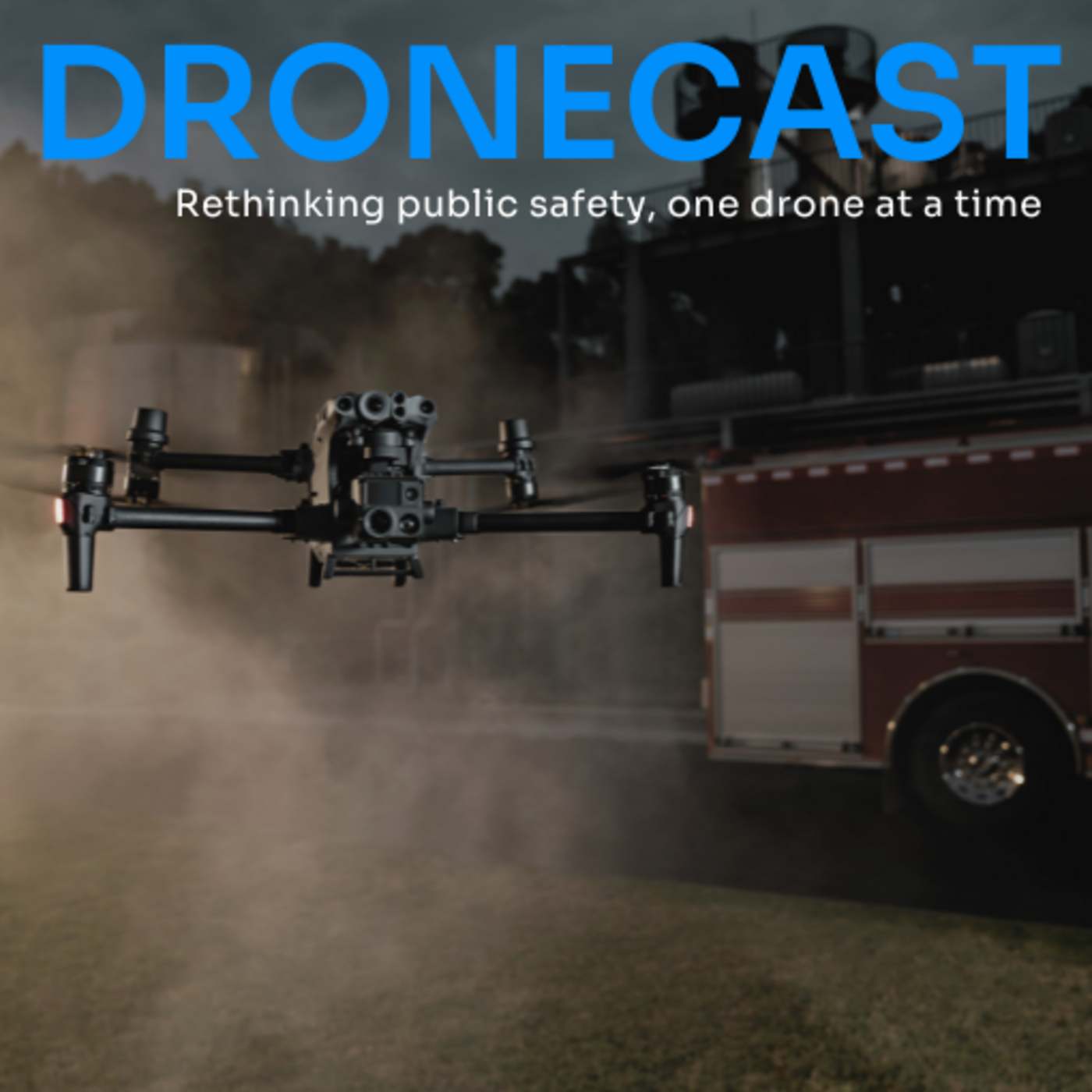
In this Archive episode of DroneCast: Rethinking Public Safety, One Drone at a Time, host John McLeod sits down with Lieutenant Taylor Wade, firefighter, EMT, and UAS Program Manager for the Lake Travis Technology Aiding Command (TAC) team. They explore how Lake Travis Fire Rescue revitalized its drone initiative, the practical fireground applications of thermal imaging and smoke investigations, regional cross-agency collaboration, rigorous NIST training, and strategies for demonstrating tangible program ROI to stakeholders and community members.
Original Recording Date: July 15, 2024
Host John McLeod sits down with Lieutenant Taylor Wade, an 11-year veteran firefighter/AEMT and UAS Program Manager for Lake Travis Fire Rescue’s Technology Aiding Command (TAC) team. Covering 104 square miles of rugged central Texas wildland-urban interface and busy waterways, Lake Travis Fire Rescue operates across complex terrain that demands cutting-edge situational awareness. Taylor breaks down how the department successfully rebooted an early drone initiative that had plateaued, restructuring it around a clear mission: giving incident commanders real-time aerial data to make faster, safer decisions.
Host John McLeod sits down with Lieutenant Taylor Wade, an 11-year veteran firefighter/AEMT and UAS Program Manager for Lake Travis Fire Rescue’s Technology Aiding Command (TAC) team. Covering 104 square miles of rugged central Texas wildland-urban interface and busy waterways, Lake Travis Fire Rescue operates across complex terrain that demands cutting-edge situational awareness. Taylor breaks down how the department successfully rebooted an early drone initiative that had plateaued, restructuring it around a clear mission: giving incident commanders real-time aerial data to make faster, safer decisions.
The discussion dives into real-world operational tactics, examining how thermal imaging uncovers hidden structural hot spots, detects active embers before they spark wildland blazes, and pinpoints remote smoke sources to prevent unnecessary engine dispatches. Taylor outlines the rigorous training pipeline behind their 11 Part 107 pilots including flight simulation, monthly recurring flight minimums, and a newly constructed NIST evaluation course. Furthermore, he shares best practices for proving program value to elected officials and the public through post-flight reports, live DroneSense video streaming, community outreach days, and collaborative regional training.
collaborative regional training.
collaborative regional training.
Why This Episode Matters Today:
Public safety agencies launching or revamping drone programs often grapple with operational buy-in, training standardization, and leadership communication. Taylor Wade provides a field-tested blueprint for fire departments looking to transition drones from siloed prevention tools into vital command-level assets. His emphasis on grassroots internal relationship-building, regional mutual aid collaboration, and data driven post flight reporting demonstrates exactly how modern fire rescue agencies can build sustainable, community backed UAS programs that save time, resources, and lives.
Episode Highlights:
- [04:33] Taylor explains the history of Lake Travis Fire Rescue's drone program, which started about six years ago primarily for prevention and fuels mitigation.
- [06:34] The current state of the program includes 11 FAA Part 107 pilots, with 10 more in training, four M3T drones, DroneSense software, and a newly developed NIST course for training.
- [08:23] Taylor discusses the various applications of drones in firefighting, including thermal imaging for hot spots, providing visual information to command, and improving resource allocation for smoke investigations.
- [11:21] Taylor shares strategies for getting command leadership comfortable with and supportive of the drone program, emphasizing grassroots-level engagement and formal training.
- [14:25] The program maintains pilot skills through mandatory monthly flight time, virtual work group meetings, and participation in special events.
- [17:37] Taylor explains how they promote the program's successes through post-flight reports, data compilation, and regular communication with leadership and stakeholders.
- [21:10] Community engagement efforts include an annual Public Safety Day, participation in parades, and other community events to showcase the drone program's benefits.
- [22:45] Taylor offers advice for agencies starting their own drone programs, emphasizing the importance of asking questions and learning from other programs.
- [24:26] Looking to the future, Taylor expresses excitement about developments in Drone First Responder (DFR) programs, payload release capabilities, and potential firefighting applications.
Episode Resources:
Dronecast: Rethinking Public Safety, One Drone at a Time Podcast is handcrafted by our friends over at: fame.so
Previous Guests include: Matt Rowland, Jason Burnside
Check out our 3 most downloaded episodes:
Previous Guests include: Matt Rowland, Jason Burnside
Check out our 3 most downloaded episodes: