From the Archives: Drones for Small Communities with Chris Baker, Oswego’s Drone & Robotics Coordinator
August 25, 2026
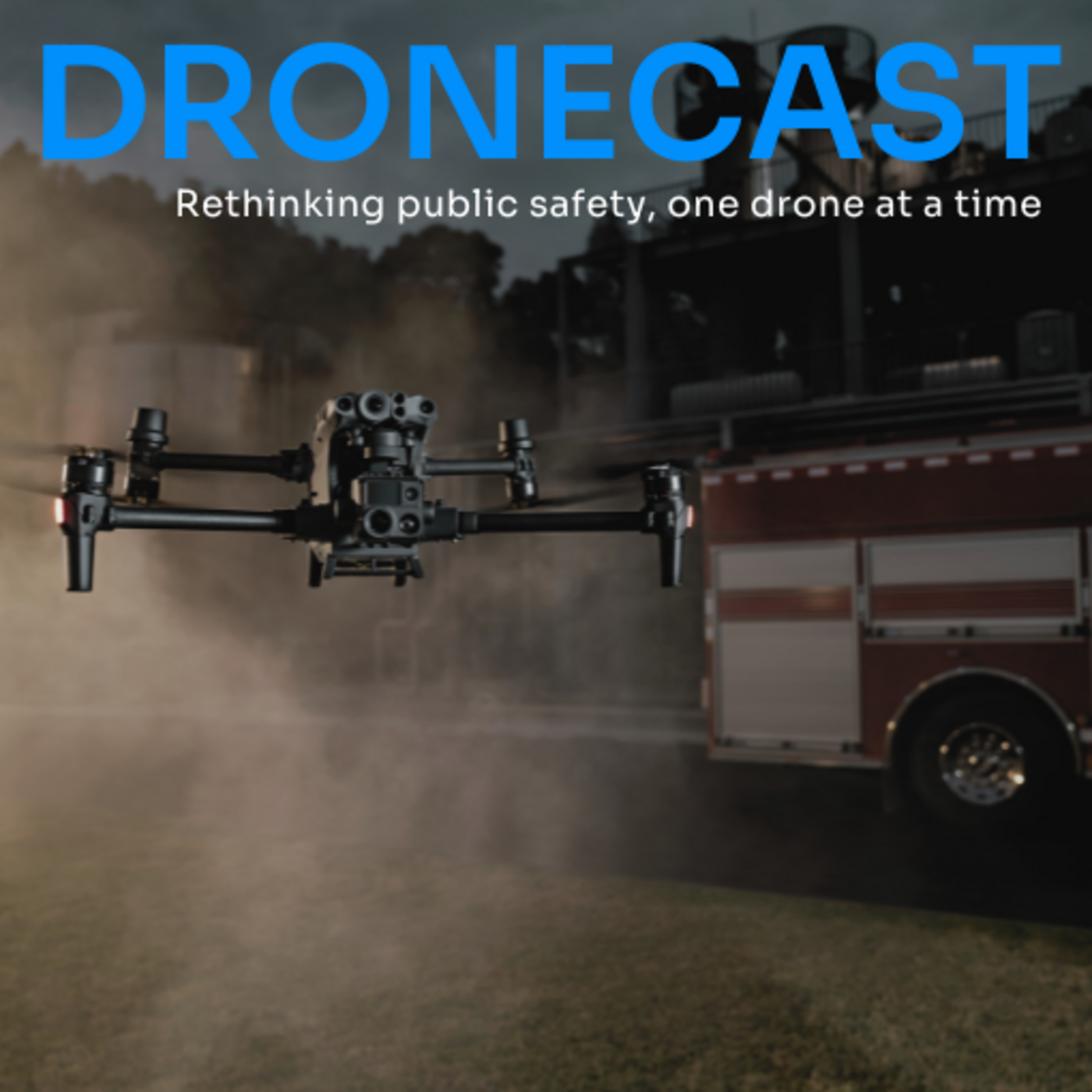
In this episode of DroneCast: Rethinking Public Safety, One Drone at a Time, host John McLeod sits down with Chris Baker, Drone and Robotics Coordinator for the City of Oswego, New York. They explore how Oswego consolidated its public safety drone operations under the municipal IT department, the practical advantages of deploying Drone as a First Responder (DFR) in tight-knit, smaller communities, and key strategies for building political and public support.
Original Recording Date: March 7, 2024
Host John McLeod welcomes Chris Baker, who serves as the Drone and Robotics Coordinator within Oswego's municipal IT department. Unlike traditional public safety aviation programs housed strictly within law enforcement or fire departments, Oswego took an innovative approach by embedding its drone infrastructure directly within its technology department. Chris shares how this consolidated IT model streamlines maintenance, centralizes funding, and frees sworn first responders to focus on frontline duties.
The conversation highlights the unique operational benefits of deploying DFR in smaller, tight-knit municipalities. Chris breaks down how two docked drones and airspace monitoring cover the entire city, allowing operators to get eyes on the scene before officers arrive, drastically improving response times, officer safety, and resource allocation. Additionally, Chris details his playbook for overcoming local political pushback through targeted stakeholder presentations and shares inspiring real-world success stories, from finding a missing child in two minutes to safely locating hotspots during a cold-weather structural fire.
Why This Episode Matters Today:
As smaller municipalities across the country evaluate modern public safety technologies, Oswego's unique administrative structure offers a highly scalable model. By housing drone operations under municipal IT, small communities can maximize tight budgets, reduce hardware downtime, and accelerate DFR deployment without overburdening sworn department staff. Chris Baker’s frontline playbook provides actionable guidance for navigating council approvals, mitigating airspace risks, and securing community trust.
Episode Highlights:
- [06:36] Often, drone programs are run directly by the fire or police department, but the City of Oswego’s tech department is responsible for theirs. Chris initially decided to move it into the IT department as he saw benefits to running it from one central location. For one, it made budgeting simpler. They could budget annually for the entire drone program instead of budgeting small amounts from the limited budgets of the respective departments. It also freed up the time of the police and firefighters, letting them get back to doing what they do best. Moving the program to the IT department has allowed it to grow and evolve faster.
- [14:21] Drone First Responder (DFR) programs are still somewhat in their infancy across the country, and often, people assume they are only useful in dense, urban environments, such as Manhattan. Oswego is a perfect example of how they can work well in different-sized cities and, in fact, might work better. Chris sees small communities as perfect for DFR programs because they don’t have the same resources as larger cities. They have limited staff in police and fire departments and may not have an extra officer available when certain calls come in. This is when drones are useful, as they can get one out and to the location while waiting for an available officer, and the situation can be monitored remotely.
- [18:23] Drone program administrators sometimes have to act as a Jack of all trades, needing to maintain relationships with stakeholders and market the program to secure funding constantly. There are many different avenues to navigate. Chris explains that the community is one of the more important ones, as they need to recognize that drone programs are not an invasion of privacy but a tool for helping them. To manage this, Chris often pushes out social media campaigns to inform the wider community about the benefits of the drone program and reshares posts from neighboring communities. It’s all about constantly getting the right information out there.
Episode Resources:
- Email Chris: cbaker@oswegony.org
- DroneSense Website
Dronecast: Rethinking Public Safety, One Drone at a Time Podcast is handcrafted by our friends over at: fame.so
Previous Guests include: Matt Rowland, Jason Burnside
Check out our 3 most downloaded episodes:
Previous Guests include: Matt Rowland, Jason Burnside
Check out our 3 most downloaded episodes: