The Radar Revolution: Securing the Third Dimension
March 24, 2026
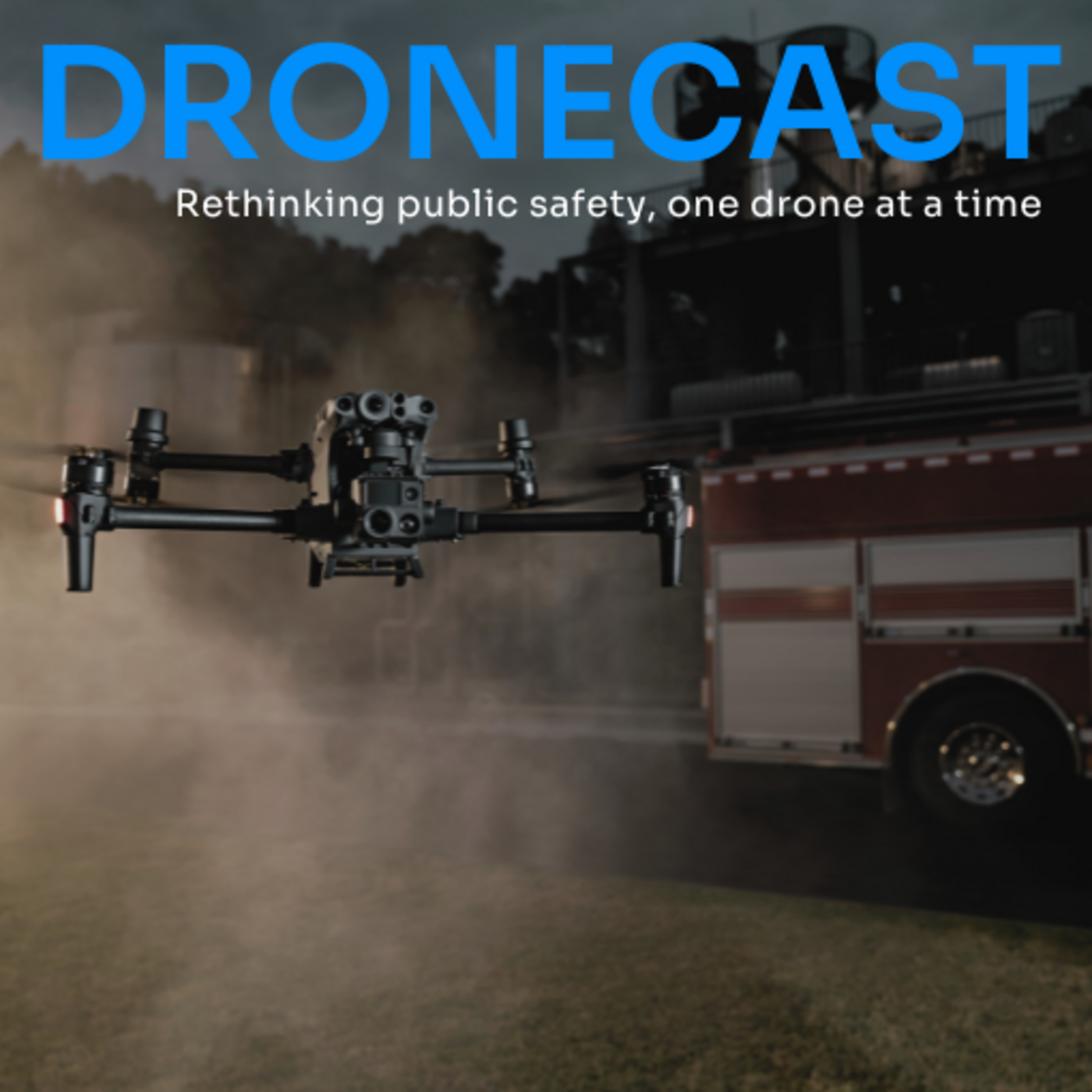
In Part 1 of this conversation, David Lewin of Echodyne joins Joe Kearns to discuss the critical intersection of drone technology and airspace security. As traditional security focuses on "hardening the fence," David explains why the industry must now "look up" to protect critical infrastructure from emerging aerial threats. This episode explores how radar and drone detection serve as the essential foundation for the future of "drones for good".
Security has long been defined by what happens on the ground—fences, cameras, and physical barriers. But as David Lewin points out, a multi-million dollar investment in ground security can be negated by a single drone zipping over the perimeter. This shift in vulnerability is driving a massive change in how utilities, water systems, and public safety agencies view their responsibilities.
David shares his journey from early robotics to reshaping security standards for the water sector, eventually finding his way to the front lines of radar innovation. He argues that drone detection isn't just about stopping "bad" drones; it is the fundamental enabler for the "good" ones. By establishing situational awareness, agencies can safely scale Drone as First Responder (DFR) programs and conduct complex missions.
Through real-world stories—ranging from preventing a police altercation with a "train enthusiast" to the 25% of DFR calls that are cleared before an officer arrives—David illustrates that aerial intelligence is the bedrock of modern public safety.
What You'll Learn:
- The Critical Gap: Why millions spent on physical hardening are at risk without airspace awareness.
- The 25% Impact Rule: How DFR programs are clearing one out of every four calls, keeping officers available for high-priority emergencies.
- Detection as an Enabler: Why you can’t have a "drones for good" program without a foundation of drone detection.
- De-escalation from Above: How aerial footage protects both citizens and law enforcement during high-stakes calls.
- The Multi-Mission Movement: Why the next generation of security tools must be interoperable and multi-use.
Helpful Links:
- Fill out the Audience Form here.
- Explore more episodes and insights on the official DroneCast website: https://www.dronesense.com/dronecast
- Ready to launch or enhance your drone program? Get Started with DroneSense today!
- Parrot, ANAFI UKR Tech Sheet: https://5n8jp.share.hsforms.com/2oWfNvmGLRCeKUWcJGtFbBg
Episode Highlights:
- [00:03:30] Hardening the Fence is Not Enough: David discusses how drones bypass traditional security investments at power plants and water facilities.
- [00:11:30] The Pizza Shop Call: A lighthearted example of how a drone quickly identified an "unconscious" person as someone simply enjoying lunch.
- [00:12:40] Preventing Tragedy: A look at how drones provide the "body cam of the sky" to prevent accidental shootings of good Samaritans.
- [00:16:30] The Foundation of Safety: Why knowing who is supposed to be in the air allows the national airspace to remain free and accessible.
- [00:26:00] Radar on the Move: How mounting radar systems directly onto drones is replacing the pilot's view for high-altitude missions.
Episode Resources:
- David Lewin on LinkedIn
- Get started with DroneSense
- Parrot, ANAFI UKR Tech Sheet: https://5n8jp.share.hsforms.com/2oWfNvmGLRCeKUWcJGtFbBg
Dronecast: Rethinking Public Safety, One Drone at a Time Podcast is handcrafted by our friends over at: fame.so
Previous Guests include: Matt Rowland, Jason Burnside
Check out our 3 most downloaded episodes:
Previous Guests include: Matt Rowland, Jason Burnside
Check out our 3 most downloaded episodes: