Driving Growth in the Drone Industry with Matt Rybar from Unmanned Vehicle Technologies
October 6, 2026
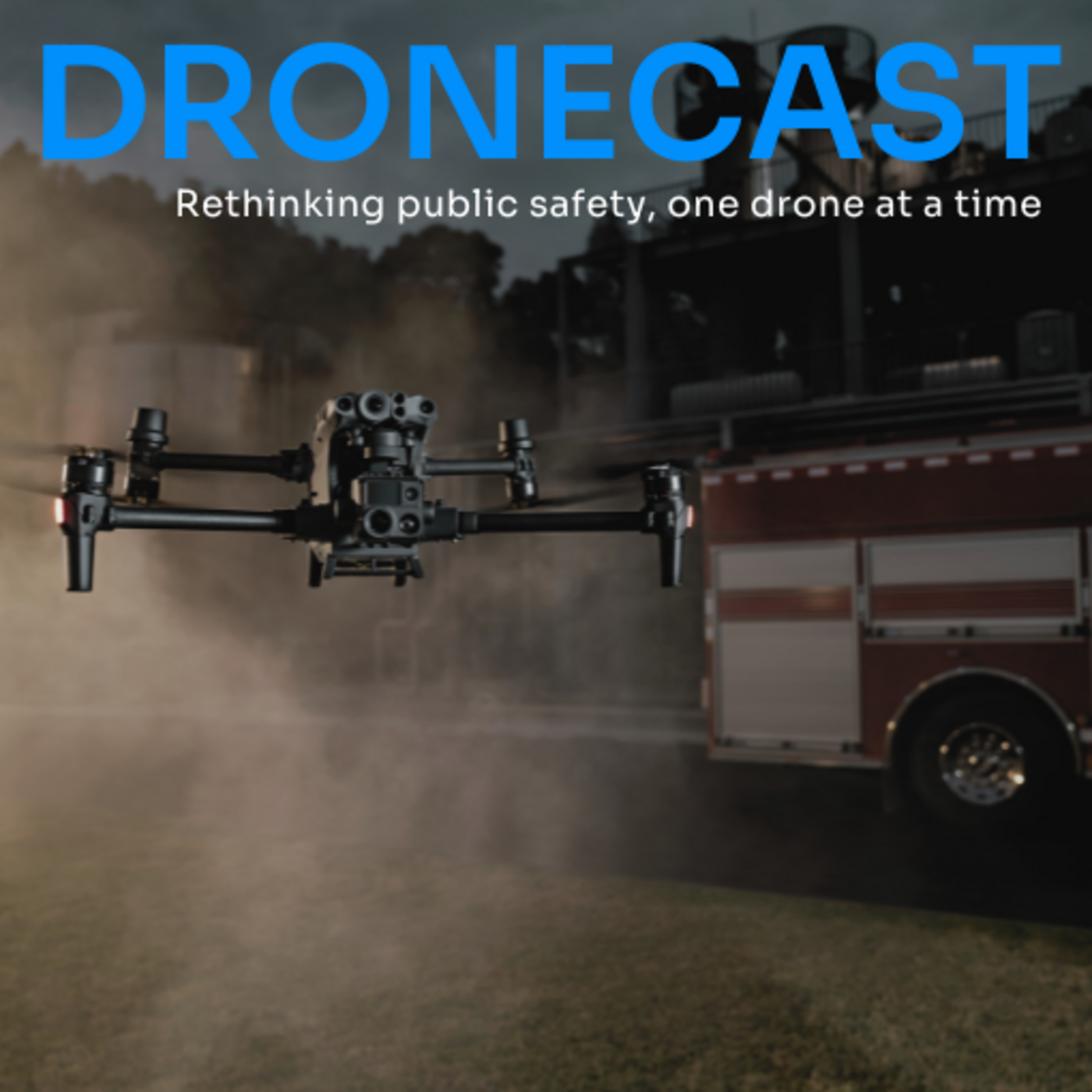
In this episode of DroneCast: Rethinking Public Safety, One Drone at a Time, host John McLeod continues his conversation with Matt Rybar, Vice President of Special Projects at Unmanned Vehicle Technologies (UVT). They explore practical strategies for starting a Drone as a First Responder (DFR) program, navigating complex FAA regulations, deploying automated dock solutions, and leveraging holistic program management software to scale public safety operations.
Original Recording Date: June 6, 2024
Host John McLeod sits down with Matt Rybar from Unmanned Vehicle Technologies (UVT) for Part 2 of their in-depth conversation. Moving beyond basic program foundations, Matt and John dive into the operational realities of scaling Drone as a First Responder (DFR) programs. Matt breaks down why starting with a "DFR 1.0" approach using visual observers on rooftops rather than immediate full infrastructure investments allows agencies to gather critical data, prove launch locations, and build vital community trust without incurring high upfront costs.
The discussion provides a clear, practical overview of the evolving FAA regulatory landscape, differentiating Part 107 civil operations from Part 91 public aircraft operations (COAs), and explaining the progression from Tactical BVLOS to First Responder BVLOS and DAA-backed true BVLOS waivers. Matt shares technical and logistical considerations for deploying dock solutions (such as power, connectivity, and rooftop access), stresses the importance of an incremental "crawl, walk, run" deployment strategy, and highlights how holistic program management tools like DroneSense Remote unlock real-time situational awareness and seamless multi-agency collaboration during critical incidents.
Why This Episode Matters Today:
As public safety agencies across the country transition from manual drone deployments to automated DFR and BVLOS operations, regulatory hurdles, infrastructure demands, and funding questions can stall progress. Matt Rybar provides a realistic, field-tested roadmap that empowers command staff and drone program managers to navigate FAA waivers, select the right hardware/software integrations, and build sustainable, community-backed programs that increase officer safety and response efficiency.
Episode Highlights:
- [01:17] When embarking on a drone program, Matt advises caution. He says it's important to start small and find ways to gather data, test theories, test launch sites, and then evolve that programme. Matt emphasizes that public trust has to come into that process as well. When you start to build that public trust through a DFR programme, there must be data to show how you got to your conclusions about how you plan to operate, from what hours you will fly, what shifts you’re going to do, and how you have selected all of this.
- [05:07] Matt highlights the importance of understanding FAA regulations and the different operational frameworks, such as Part 107 and Part 91, that govern drone operations. He explains that while there is a debate about which framework is best for public safety, there is a place for both Part 107 and Part 91 in drone operations. Matt also discusses the use of Beyond Visual Line of Sight (BVLOS) waivers in public safety drone programs. He explains that there are different levels of BVLOS waivers, from tactical BVLOS for low altitude operations to true BVLOS that requires additional technology for detecting and avoiding manned aircraft. Matt emphasizes the importance of working closely with the FAA to ensure compliance and safety in these operations.
- [10:42] Matt expresses great excitement about drone docks (specialized stations designed to support the automated operation, charging, and housing of drones), and says that over the last two years they have revolutionized their thought process. He says that while it was possible to remotely control aircraft before drone docks, “the thought of having a dock and being a seamless remote operation is just so incredible”. Matt also looks forward to what the next few years bring in terms of the development of better drone dock technology.
Episode Resources:
Dronecast: Rethinking Public Safety, One Drone at a Time Podcast is handcrafted by our friends over at: fame.so
Previous Guests include: Matt Rowland, Jason Burnside
Check out our 3 most downloaded episodes:
Previous Guests include: Matt Rowland, Jason Burnside
Check out our 3 most downloaded episodes: